

History & Movement

Santhal Movement Context

The Santhal resistance emerged from deep social and economic pressure placed on tribal communities. It was not just a revolt — it was a collective defense of land, identity, and dignity.

Roots of
Resistance

The Santhal Movement arose from systematic exploitation faced by tribal communities under colonial administration, moneylenders, and zamindars. Excessive taxes, land dispossession, and forced labor pushed the Santhals to defend their ancestral rights and way of life.

Leadership &
Mobilization

Phulo Murmu emerged as a symbol of courage and unity, inspiring Santhal men and women to rise collectively. Through village gatherings, oral communication, and cultural solidarity, the movement transformed scattered resistance into organized action.

Legacy of
the Movement

Though brutally suppressed, the Santhal resistance left a lasting impact on tribal consciousness. It strengthened the fight for land rights, self-governance, and dignity, becoming a foundation for future tribal movements across eastern India.
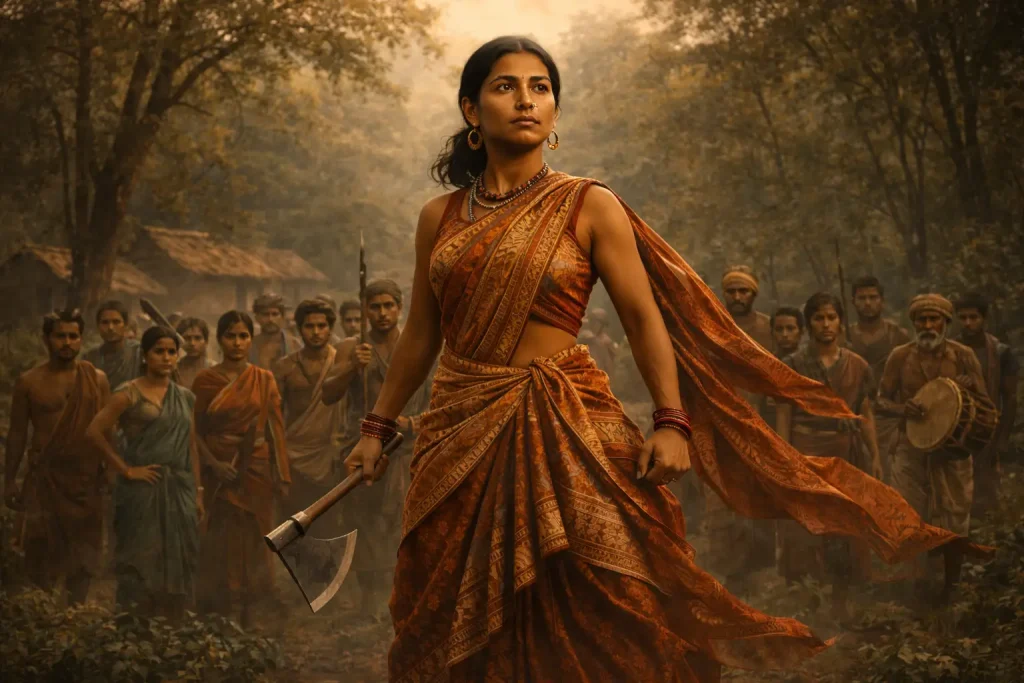
Role of Phulo Murmu

Leadership, courage, and community-driven resistance

Grassroots Mobilizer

She helped encourage unity at the village level, motivating people to stand together and not surrender their rights or identity.

Courage Under Threat

Even under danger, she remained committed to the cause, symbolizing bravery and moral strength.

Movement Contributor

Women’s Representation

Her presence highlighted the active role of tribal women in resistance, breaking passive stereotypes and inspiring participation.

Symbol of Collective Spirit

Her actions reflected community-first values and the belief that resistance must be shared and organized.

Movement Outcomes

Impact, memory, and long-term significance

Community Unity Strengthened

The resistance period brought stronger unity among tribal groups, reinforcing collective identity and mutual support systems.

Historical Recognition

The movement and its contributors, including Phulo Murmu, gained lasting recognition in regional history and cultural memory.

Women’s Role Visibility

Participation of women in resistance highlighted their leadership capacity and reshaped community perception of women’s roles.

Cultural Pride Renewed

Stories of resistance renewed pride in tribal traditions, heritage, and identity across later generations.

Scroll to Top